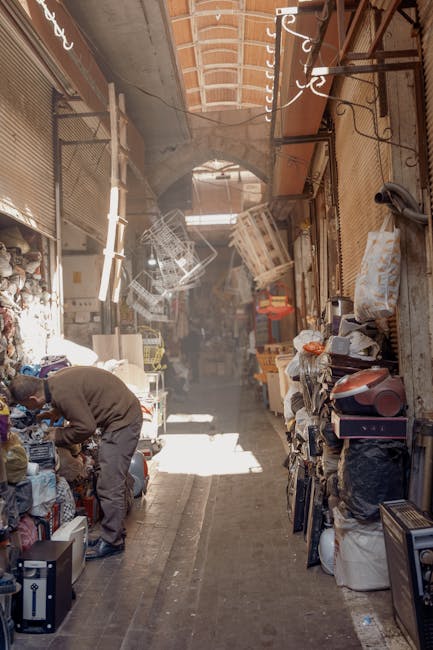
Lower Marsh Market Stall Cleaning Guide for Waterloo Traders
If you trade at Lower Marsh, you already know the pitch is part shopfront, part workspace, part first impression. A clean stall does more than look tidy. It helps protect stock, keeps your setup safer for staff and customers, and makes the whole trading day run more smoothly. This Lower Marsh market stall cleaning guide for Waterloo traders is designed to be practical, realistic, and easy to use before, during, and after service.
Whether you sell food, crafts, vintage items, plants, or mixed retail goods, the cleaning routine you build around your stall can reduce odours, prevent grime build-up, and stop small problems turning into costly ones. You do not need a fancy system. You need a repeatable one. And, truth be told, that is usually what separates a stall that feels welcoming from one that just looks busy.
Below, you will find a clear method, smart best practices, a comparison of cleaning approaches, and a checklist you can actually use on a market day. If your unit includes soft furnishings, floor coverings, or fabric displays, you may also find it useful to review the site's pages on commercial carpet cleaning, upholstery cleaning, and stain removal for broader commercial cleaning support.
Table of Contents
- Why Lower Marsh market stall cleaning guide for Waterloo traders Matters
- How Lower Marsh market stall cleaning guide for Waterloo traders Works
- Key Benefits and Practical Advantages
- Who This Is For and When It Makes Sense
- Step-by-Step Guidance
- Expert Tips for Better Results
- Common Mistakes to Avoid
- Tools, Resources and Recommendations
- Law, Compliance, Standards, or Best Practice
- Options, Methods, or Comparison Table
- Case Study or Real-World Example
- Practical Checklist
- Conclusion
- Frequently Asked Questions
Why Lower Marsh market stall cleaning guide for Waterloo traders Matters
Lower Marsh is one of those places where customers notice everything. A sticky counter, dusty shelf edge, tired fabric cover, or spill near a display can change how people feel about your stall within seconds. That is not dramatic; it is just how markets work. People shop with their eyes, noses, and instincts before they shop with their wallets.
For Waterloo traders, good stall hygiene matters for four simple reasons:
- First impressions - clean surfaces make stock look better and worth browsing.
- Food safety and hygiene - especially important if you handle open produce, hot food, drinks, or tasting samples.
- Stock protection - dust, grease, and damp can ruin presentation and shorten the life of materials.
- Operational confidence - when the stall is orderly, set-up and pack-down usually feel less chaotic.
There is also a local reality here. Markets in busy urban areas collect grime quickly: footfall, weather, traffic dust, and the occasional wet day all play a part. One rainy morning can leave a flooring runner marked, a tablecloth grimy at the hem, and cardboard boxes taking on moisture. If you have ever wiped down a surface and found it still looks dull after a second pass, you will know exactly what this means.
Expert summary: A good stall-cleaning routine is not about making everything spotless for a photo. It is about keeping the trading space safe, presentable, and efficient enough to handle real market conditions day after day.
How Lower Marsh market stall cleaning guide for Waterloo traders Works
The best cleaning process for a market stall is simple: separate daily wiping from deeper cleaning, and match both to the type of stock you sell. A fabric-heavy craft stall needs different care from a food stall. A vintage stall needs different attention from a fruit and veg stand. Sounds obvious, but many traders try to use one blanket routine for everything and end up missing the real mess points.
A practical stall-cleaning system usually works in three layers:
- Before opening - remove dust, clear debris, sanitise contact points, and check display areas.
- During trading - deal with spills, crumbs, fingerprints, and packaging waste as they happen.
- After closing - reset the stall, clean high-touch areas, dry surfaces, and prep materials for the next session.
That routine can be supported by occasional specialist cleaning for soft surfaces and display textiles. If your setup includes table runners, upholstered seating, curtains, or fabric booth panels, services like curtain cleaning, rug cleaning, and sofa cleaning can be relevant, depending on what your stall uses.
The key is to treat cleaning as part of trading operations, not an afterthought. The more your routine fits the pace of the market, the more likely it is to stick.
Key Benefits and Practical Advantages
Cleaning is one of those behind-the-scenes tasks that quietly improves everything else. It does not shout, but customers definitely feel it.
1. Better presentation
Clean shelves, counters, and display fabrics make colours look sharper and products feel fresher. Even small details matter. A crumb-free till area or a polished sample tray can make a stall feel cared for, which often translates into trust.
2. Longer life for stall equipment
Grease, grit, damp, and residue wear materials down. Regular cleaning helps preserve table coverings, flooring, baskets, signage holders, and fabric display items. In practical terms, that means fewer replacements and less time dealing with worn-looking kit.
3. Lower risk of odours and contamination
For food traders especially, leftover residue can attract insects, create smells, and make a stall feel unclean even if it looks tidy at first glance. Odour control is not only about fragrance; it is about removing the source. If a spill has soaked into fabric or a mat, a targeted solution such as pet stain odour removal may sound oddly specific, but the underlying approach to deep odour treatment can still be useful where suitable fabric cleaning is needed.
4. Faster close-downs
When you clean as you go, closing time becomes simpler. You are not staring at a big mess after a long day thinking, where on earth do I start? That small shift can save serious energy across a trading week.
5. Better customer confidence
People notice whether a stall feels controlled. Cleanliness signals care, competence, and consistency. In a market setting, those cues often matter as much as the product itself.
Who This Is For and When It Makes Sense
This guide is useful for a wide range of Waterloo traders, but especially for those who rely on repeat customers and visual appeal.
- Food and drink traders who need quick, hygienic routines between service periods.
- Craft and gift sellers whose stock can be affected by dust, fingerprints, and packaging debris.
- Clothing and textiles traders who depend on clean rails, folding tables, mirrors, and fabric protection.
- Vintage and second-hand sellers who need to balance authenticity with presentability.
- Seasonal traders setting up temporary stalls that get reused and packed away regularly.
It also makes sense if you are preparing for busier periods, wetter weather, or a stall refresh after a few months of heavy use. If your setup includes soft flooring or fitted textile elements, looking at steam carpet cleaning or upholstery cleaning may be sensible when routine wiping is no longer enough.
One useful rule: if you can smell yesterday's trading before you have opened today, the cleaning routine is overdue for a reset.
Step-by-Step Guidance
This section breaks the work into a practical sequence you can adapt to your stall type. It is not meant to be fancy. It is meant to be usable at 7:30 in the morning with coffee in one hand and keys in the other.
Step 1: Clear the stall completely
Start by removing loose packaging, empty boxes, food waste, cloth scraps, receipts, and anything else that has accumulated. Cleaning around clutter slows everything down. A clean starting point lets you see what actually needs attention.
Step 2: Dry-clean first, then damp-clean
Sweep, brush, or vacuum loose dust before using any damp cloth or solution. If you go straight to wet cleaning, dirt can smear and embed. Dry removal first makes the rest of the job easier.
Step 3: Wipe all high-touch areas
Focus on payment points, handles, display edges, sample trays, chair arms, and any customer-facing surfaces. High-touch areas are the ones people handle most, so they build up the fastest. A calm, methodical wipe-down here pays off immediately.
Step 4: Deal with spills straight away
Do not let them sit. A fresh spill is almost always easier to remove than a dried one. Blot, lift, and then clean properly with the right solution. Scrubbing too hard can spread the mark or damage the finish.
Step 5: Clean fabric and soft materials appropriately
If you use table drapes, cushions, banners with fabric backing, upholstered seating, or floor mats, treat them separately from hard surfaces. Fabric holds dust and odours differently. For more intensive care, relevant service pages such as carpet cleaning and rug cleaning may be helpful reference points for maintaining textile-heavy stall equipment.
Step 6: Sanity-check the corners and undersides
The hidden spots matter more than people think. Corners, undersides, shelf backs, and the bottom edge of table coverings often collect crumbs, dust, and splashes. A stall can look clean from the front and still be carrying grime underneath. Annoying, but true.
Step 7: Let everything dry properly
Moisture left behind can create smells, attract dirt again, or make packing unsafe. Drying matters as much as washing. If you are closing up quickly, use air flow where you can and avoid sealing damp materials into bags or boxes.
Step 8: Reset the stall for the next session
Return cleaned items in a logical order. Repack cleaning cloths, separate waste, and keep refill items ready. The goal is not just cleanliness today, but a smoother start tomorrow.
Expert Tips for Better Results
A few small habits make a big difference. None of them are glamorous. All of them help.
- Use colour-coded cloths if possible so you do not mix food-contact areas, general surfaces, and waste-touching areas.
- Carry a small spill kit with absorbent cloths, gloves, and a bag for waste so you are not improvising when pressure is on.
- Test cleaning products on a hidden spot first, especially on printed fabrics, coated surfaces, or vintage materials.
- Clean top to bottom so dust falls where you have not yet cleaned.
- Keep a short closing routine with only the essentials. Long routines get skipped.
- Build in five-minute resets during the trading day. They save twenty minutes later. Maybe more.
If your stall includes delicate surfaces, it can be worth maintaining a clearer separation between routine wiping and deeper restoration work. A service like stain removal may be more appropriate than repeated harsh rubbing, which can push a mark deeper or damage the material.
And here is the slightly unglamorous truth: the best cleaning systems are the ones your busiest team member can still follow on a cold Thursday morning. If it only works when everyone is fresh and smiling, it is not a system yet.
Common Mistakes to Avoid
Most stall cleaning problems do not come from lack of effort. They come from rushed habits.
- Using too much liquid - wet surfaces take longer to dry and can make dirt spread.
- Waiting until the end of the day - old spills and residue are harder to remove.
- Using one cloth for everything - that can transfer grease, dust, and odours from one surface to another.
- Ignoring the display fabric - textiles can make the stall look tired even when the stock is fine.
- Overlooking under-table zones - these collect crumbs, packaging, and damp debris.
- Choosing harsh products without checking compatibility - some finishes react badly, especially on coated or printed materials.
Another common issue is assuming a stall only needs visual cleaning. In reality, hidden residue can affect smell, hygiene, and pest risk. If you have ever had a perfectly neat table still give off a stale smell, that is usually the reason. Looks clean is not always clean.
Tools, Resources and Recommendations
You do not need a huge inventory, but the right kit makes stall maintenance much easier. Keep your selection simple and reliable.
| Item | Best Use | Why It Helps |
|---|---|---|
| Microfibre cloths | General wipe-downs | Good for lifting dust and fingerprints without leaving much residue |
| Soft brush or handheld vacuum | Dry debris removal | Clears crumbs, dust, and packaging bits quickly |
| Spray bottle with suitable cleaner | Controlled damp cleaning | Stops over-wetting and helps apply product evenly |
| Disposable gloves | Messy jobs and food areas | Protects hands and improves hygiene |
| Waste bags | Reset and disposal | Keeps the trading area tidy and speeds close-down |
| Absorbent towels | Spills and drying | Useful when a spill needs immediate attention |
| Fabric-safe cleaning products | Textiles and soft furnishings | Helps care for covers, cushions, and soft display items |
For traders with more fabric-heavy setups, service pages such as curtain cleaning, sofa cleaning, and upholstery cleaning can help you think about the deeper-clean side of stall maintenance. You may not need those services often, but it is useful to know where the line is between routine care and specialist treatment.
Law, Compliance, Standards, or Best Practice
Cleaning a market stall in the UK is not just about appearance. There are wider expectations around hygiene, waste handling, food safety, and safe working practices, especially if you are handling consumables or operating in a shared public space. The exact obligations depend on your trading model, product type, and setup, so it is sensible to treat this as general best practice rather than legal advice.
A few broad principles are worth keeping in mind:
- Keep food-contact areas clean and suitable for purpose if you trade in food or drink.
- Separate waste properly and remove it regularly so it does not build up around the stall.
- Use cleaning products safely and store them away from stock.
- Maintain slip awareness where wet cleaning or spills might make the floor hazardous.
- Train staff or helpers on your stall's basic cleaning routine so standards stay consistent.
Good practice also means checking your own risk areas. For example, a damp mat near the entrance, an overfilled waste bag, or a loose electrical cable can become a cleaning issue and a safety issue at the same time. If you want a fuller view of safety and professional standards, the site's health and safety policy and insurance and safety information are sensible places to understand how responsible service standards are framed.
Where cleaning involves paid support or outsourced work, traders also tend to care about clear terms, fair billing, and how services are handled. That is where pages like pricing and quotes and terms and conditions can be useful for the practical side of choosing support.
Options, Methods, or Comparison Table
Different stall-cleaning methods suit different situations. The best choice depends on how dirty the stall gets, what materials you use, and how much time you have between trading hours.
| Method | Best For | Pros | Limitations |
|---|---|---|---|
| Quick wipe-down | Daily surface cleaning | Fast, easy, keeps presentation sharp | Won't remove deep grime or embedded odours |
| Deep clean | Weekly or periodic reset | More thorough, improves hygiene and appearance | Takes longer and may require drying time |
| Fabric-specific treatment | Runners, covers, seating, display textiles | Targets stains and odours better | Must be matched to material carefully |
| Professional cleaning support | Heavily used or delicate items | Useful for specialist fabrics and tougher soil | Requires planning and budget |
For most Waterloo traders, the smartest approach is a combination: quick daily routines, scheduled deeper cleaning, and specialist help when materials or contamination call for it. Not every mark needs the same response. That is the bit people sometimes miss.
Case Study or Real-World Example
Imagine a Waterloo trader running a small mixed stall with fabric table covers, a display rug, and a few upholstered stools for customers trying samples. During a busy lunch service, a drink tips over and leaves a damp patch near the front. Later, dust from the street settles on the back shelves and fingerprints build up on the payment counter. Nothing dramatic, but by closing time the stall looks dull.
The trader's cleaner response is not to panic or start scrubbing everything at once. Instead, they:
- Blot the spill immediately.
- Move stock away from the affected area.
- Dry-clean loose dirt from the rug and corners first.
- Wipe the counter and handles with a suitable cleaner.
- Check the fabric table cover for residue and let it dry fully.
- Reset the stall so the next morning starts clean.
That kind of response keeps the problem small. It also avoids the trap of treating a fabric spill like a hard-surface mark. Different materials need different care, and the stall usually tells you what it needs if you look closely enough. A faint smell, a dull patch, or a sticky feel is often your warning sign before the visible mess becomes obvious.
For more stubborn textile damage or recurring marks, it may make sense to compare specialist support such as steam carpet cleaning with standard wipe-down routines. Steam can be useful in the right context, but it is not a universal answer, and using it carelessly can cause more harm than good.
Practical Checklist
Use this checklist before opening, during trading, or after close depending on what your stall needs.
- Remove loose waste and packaging from the stall.
- Clear dust, crumbs, and dry debris first.
- Wipe high-touch points such as handles, counters, and rails.
- Spot-clean spills as soon as they happen.
- Check corners, undersides, and hidden edges.
- Let damp areas dry fully before packing away.
- Inspect fabric items for odours, stains, or embedded dirt.
- Separate cleaning cloths by task if possible.
- Store cleaning products safely and away from stock.
- Reset the stall so the next setup is faster and easier.
If you want a broader service overview for commercial settings, the site's commercial carpet cleaning page can help frame what professional cleaning support may look like for business premises and trading environments.
Conclusion
A good market stall cleaning routine is simple, consistent, and matched to the reality of trading at Lower Marsh. It protects your presentation, supports hygiene, reduces stress at close-down, and helps your stall feel genuinely cared for. That is good for customers, but also good for you and your team.
The main idea is straightforward: clean early, clean lightly but often, and know when something needs deeper attention. Small habits prevent big headaches. That is especially true in a lively Waterloo market setting where dust, footfall, food, fabric, and weather all mix together in one trading day.
If you keep the routine practical, your stall stays easier to manage and better to shop from. And honestly, that is a win on both sides of the counter.
Get a free quote today and see how much you can save.
Frequently Asked Questions
How often should a Lower Marsh market stall be cleaned?
At minimum, a stall should be cleaned before opening, touched up during trading, and reset after closing. Deep cleaning can be done weekly or as needed, depending on stock type and footfall.
What is the best way to clean a market stall quickly?
Start with dry debris removal, then wipe high-touch surfaces, then spot-treat spills. That order is usually faster and more effective than going straight to wet cleaning.
Are food traders expected to clean differently from non-food traders?
Yes. Food traders generally need tighter hygiene routines, especially for food-contact surfaces, waste control, and spill response. Non-food stalls still need good presentation, but the risk profile is different.
Can I use one cleaner for every surface on my stall?
Not safely. Some materials, especially fabrics, coatings, and printed surfaces, need specific products or gentler methods. Always check a small hidden area first if you are unsure.
What should I do if a spill gets into fabric or upholstery?
Blot it quickly, avoid aggressive rubbing, and let the area dry properly. If the mark or smell remains, specialist fabric treatment may be needed rather than repeated wiping.
How do I stop my stall from smelling stale?
Deal with residue at the source, not just the symptoms. Remove waste promptly, dry materials fully, and clean any textile items that hold odours more easily than hard surfaces.
Is steam cleaning suitable for market stall materials?
Sometimes, but not always. Steam can help with certain fabrics and floor coverings, yet it is not suitable for every material. Compatibility matters more than the cleaning method itself.
What cleaning mistakes shorten the life of stall equipment?
Using too much liquid, scrubbing too hard, and leaving materials damp are common ones. Over time, those habits can damage fabrics, dull finishes, and increase wear.
Do I need professional cleaning for a market stall?
Not for every stall or every week. But if your setup includes fabric elements, persistent stains, or repeated odours, professional support can save time and protect the materials.
How can I make closing down faster at the end of the day?
Build a short reset routine into trading hours, deal with mess as it happens, and keep your cleaning kit easy to reach. A tidy stall is much quicker to pack away than a neglected one.
Where can I learn more about service standards and support?
It can help to review the site's pages on about us, recycling and sustainability, and privacy policy to understand the wider approach to service, responsibility, and customer care.
What is the most practical cleaning habit for Waterloo traders?
Probably the simplest one: never leave a spill or build-up for later if you can safely deal with it now. Small resets during the day make a bigger difference than one heroic clean at the end.
If you are planning deeper work or need support with textiles, finishes, or stubborn marks, you can also review the site's contact options when you are ready to ask a few questions and move forward.